
Mr. Amadeus Kamagenge
Chairperson
Mrs. Tumpe Mnyawami Lukongo
Chief Executive Officer
+255 739 822539 | info@g-inspire.org
Chairperson
Chief Executive Officer
Stay informed with the latest updates from G-INSPiRE
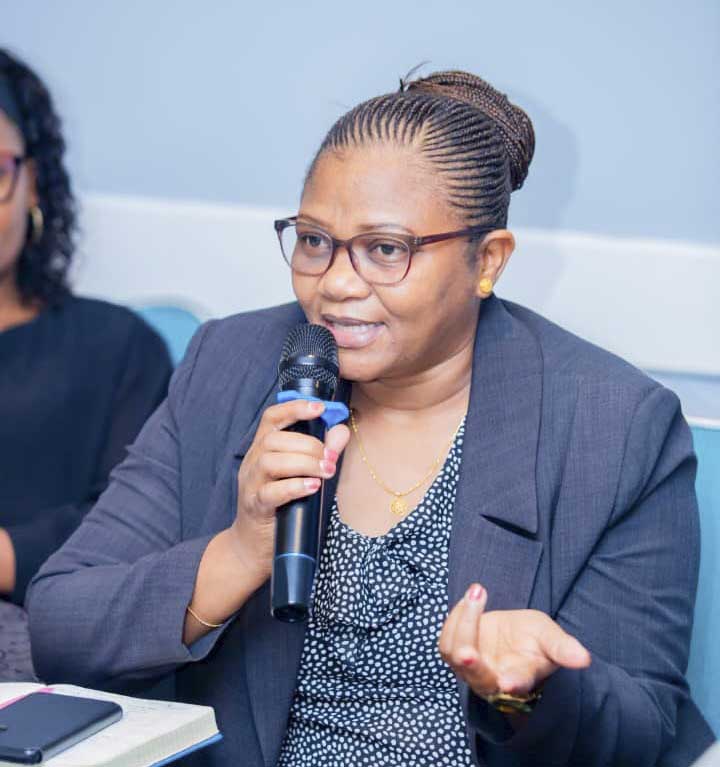
G-INSPiRE was invited by UN Women to deliver a presentation on the care economy, focusing on unpaid care and support services for persons with disabilities in Tanzania.
The presentation, titled “Care Economy and Support Services for Persons with Disabilities: The Role of G-INSPiRE in Strengthening Inclusive Social Protection in Tanzania,” highlighted the critical role that both paid and unpaid care play in supporting persons with disabilities (PWDs).
In Tanzania, the care economy plays a central role in sustaining households, particularly those with persons with disabilities. However, much of this care is unpaid and largely undertaken by women and girls.
Recent findings indicate that approximately 11% of Tanzanians aged 15–95 experience at least one functional difficulty. At the same time, women spend an average of 3.5–4.4 hours daily on unpaid care work, compared to 1–1.5 hours for men, reflecting a significant gender imbalance.

Persons with disabilities often require support with daily activities such as mobility, self-care, and communication. Due to limited formal care services, families provide most of this support through informal caregiving.
As disability prevalence increases with age—and is more common among women—many households face continuous care demands. These responsibilities are essential for survival but remain undervalued in economic systems.
The presentation highlighted several challenges, including:
Girls and young women in caregiving households often face school absenteeism, reduced educational attainment, and limited participation in paid work, reinforcing long-term economic disadvantages.
The Government of Tanzania has made progress through policies such as the National Social Protection Policy (NSPP 2023), which aims to expand coverage for vulnerable populations, including persons with disabilities.
Key interventions include social assistance programs, social insurance schemes, and community-based support mechanisms.
Through initiatives like the Productive Social Safety Net (PSSN), households receive cash transfers, public works opportunities, and livelihood support. These programs help offset costs related to disability, such as healthcare, transport, and assistive devices.

G-INSPiRE emphasized the importance of integrating care economy considerations into social protection systems. The organization continues to contribute through research, policy engagement, and advocacy aimed at strengthening inclusive and gender-responsive frameworks.
The presentation called for:
The session reinforced that unpaid care work is a critical pillar of the economy and social well-being. Addressing the needs of persons with disabilities while reducing the burden on women and girls is essential for achieving inclusive development in Tanzania.
G-INSPiRE’s engagement with UN Women reflects its ongoing commitment to advancing equitable, evidence-based solutions that leave no one behind.

Comments (0)
No comments yet. Be the first to share your thoughts!
Leave a Comment